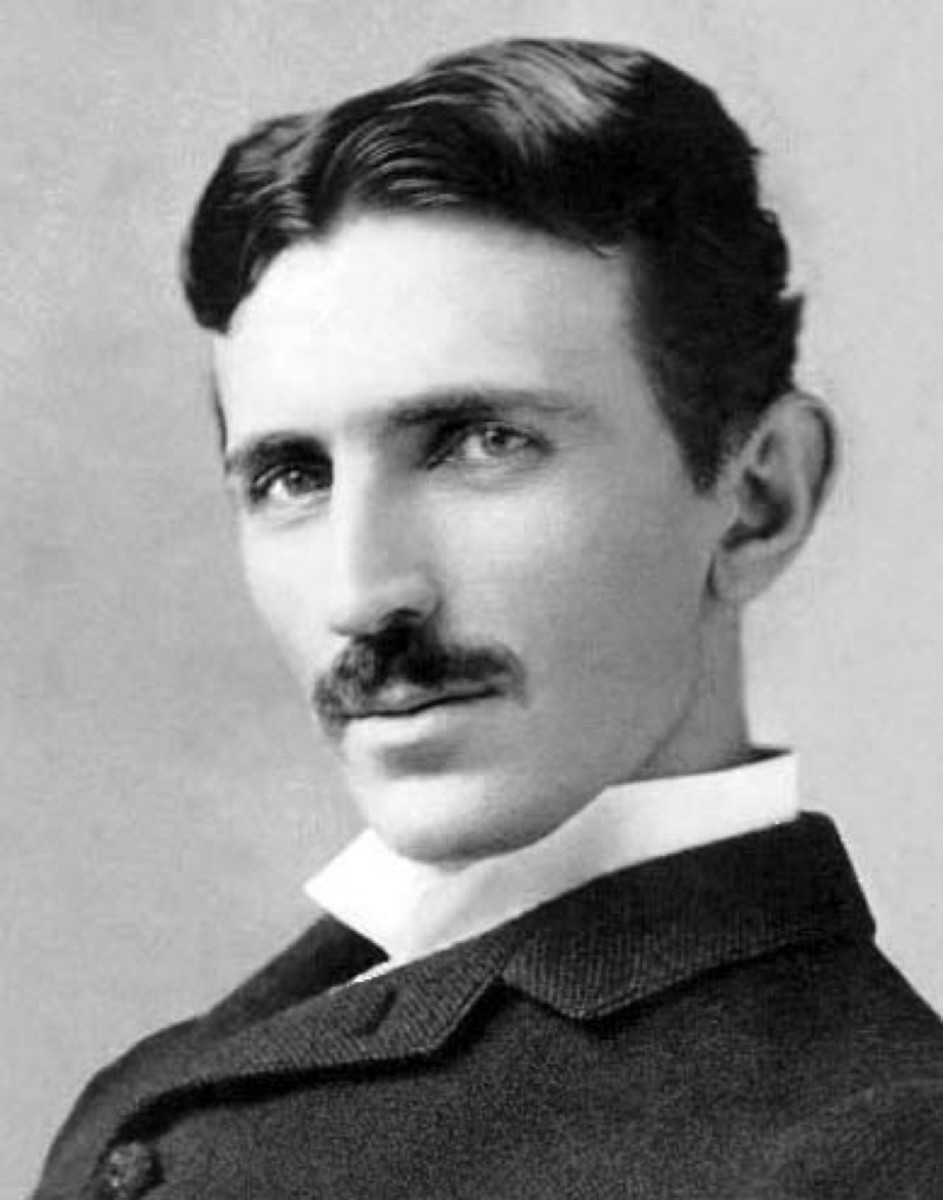
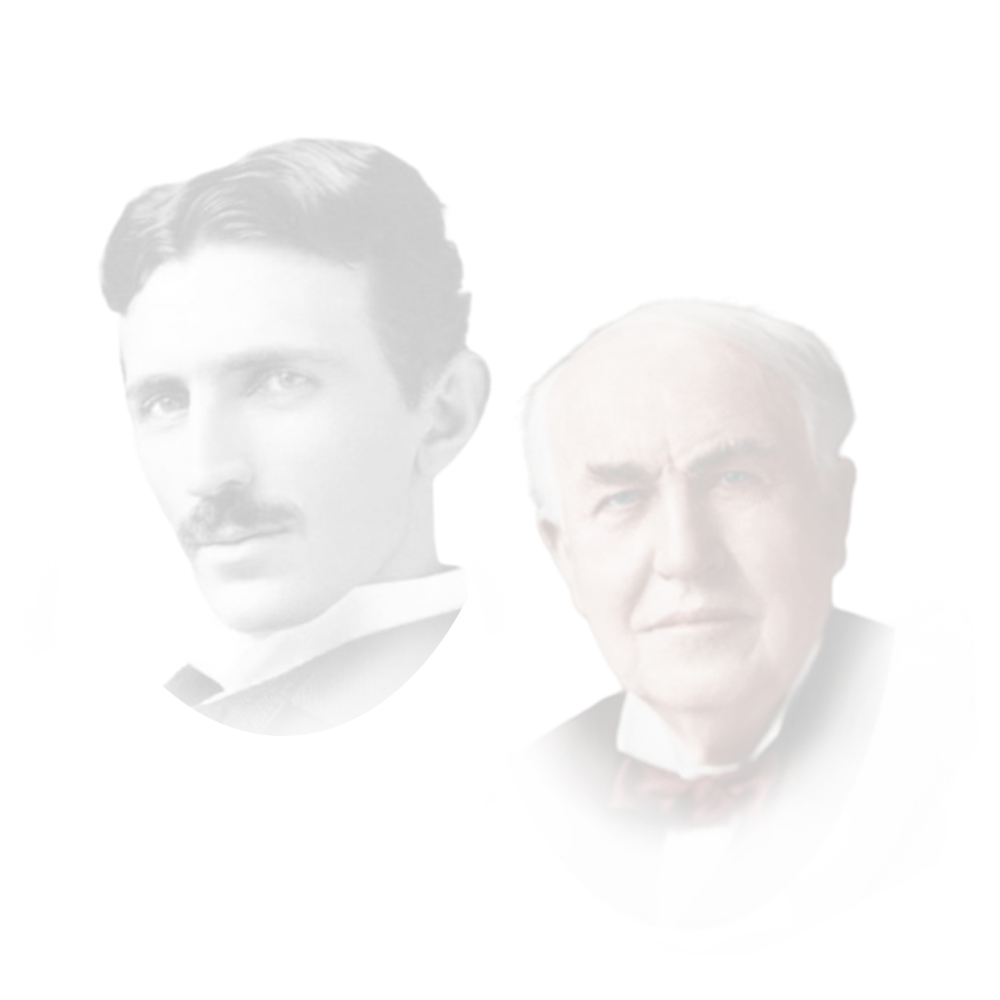
Tesla asserted he had a photographic memory and that a considerable lot of his thoughts came to him completely formed. However, he was not a clever businessman. In the wake of moving to New York City, Thomas Edison employed the youthful Tesla, and offered to pay him $50,000 for an improved structure of an engine. At the point when Tesla introduced an answer and requested the money, Edison answered that he was just kidding.
In February 28, 1885 The American Telephone and Telegraph Company is incorporated in New York State as the subsidiary of American Bell Telephone. Eventually the companies would “merge” and thus AT&T was formed.
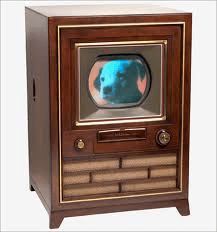
February 28, 1954 The first color television sets using the NTSC standard are offered for sale to the general public. NTSC is the standard used in most of North and South America, Japan, and a few other places in the world.
The computer scientist Larry Tesler, who is famous for inventing the computer concepts cut, copy and paste, has passed away at age 74. Tesler was born in New York in 1945 and he studied computer science at Stanford. After graduation, he worked in the university’s genetics and computer science departments before becoming a research assistant at the Stanford Artificial Intelligence Laboratory.
In 1973, Tesler joined Xerox’s Palo Alto Research Center (PARC) and this is where he developed cut, copy and paste. These concepts were instrumental in the development of text editors and early computer operating systems. This is how to copy and paste on a Mac and on Windows Mac in time: 35 years of Apple’s legendary Macintosh Google Chrome will soon let you copy text on one device and paste it on another
While cut, copy and paste were developed at PARC, the research center is more well known for its early work on graphical user interfaces and using a mouse to navigate them because Apple co-founder Steve Jobs used many of its ideas as inspiration for Apple’s products. In fact, Tesler was even part of some of Jobs’ visits to Xerox.
Modeless computing
In addition to creating cut, copy and paste, Tesler was also a big proponent of a concept called “modeless” computing. Basically modeless computing revolves around the idea that a program should not have different “modes” where a user’s input works differently depending on which mode they’re in. According to Tesler’s personal website, he and a colleague named Tim Mott developed the idea while working on the Gypsy text editor back at PARC. He was such a big believer in modeless computing that the URL of his site is actually nomodes.com. Tesler joined Apple in 1980 and he worked at the company until 1997 where he eventually rose to the role of Chief Scientist. During that time, he worked on a number of products including the Macintosh, QuickTime, Lisa and even the Newton tablet. The Macintosh and Lisa were the first personal computers ever to include cut, copy and paste functionality as a result of Tesler’s involvement in their development. After leaving Apple in 1997, Tesler had several short stints at a number of other big companies including Amazon, Yahoo!, 23andMe and others. Tesler’s contribution to computing won’t be forgotten any time soon as the concepts of cut, copy and paste have become fundamental to how we use computers and even smartphones today.



 Blogs Notes